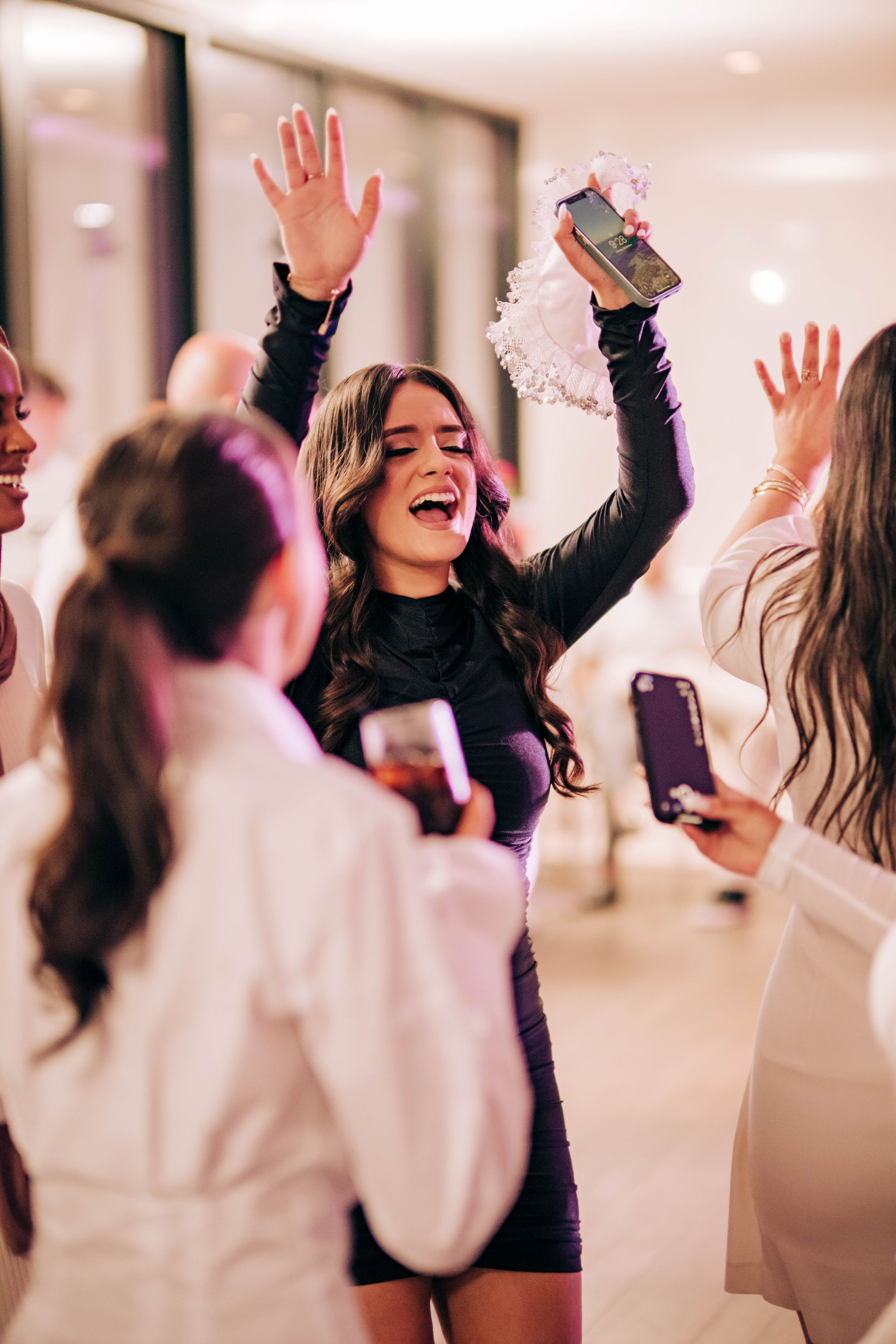
A wedding is rehearsed. A photoshoot is repeatable. A live event — the product launch, the gala dinner, the sold-out conference, the 50th birthday — is a one-shot performance, and the photographs are often the only record that any of it happened. That changes everything about how you should plan for coverage.
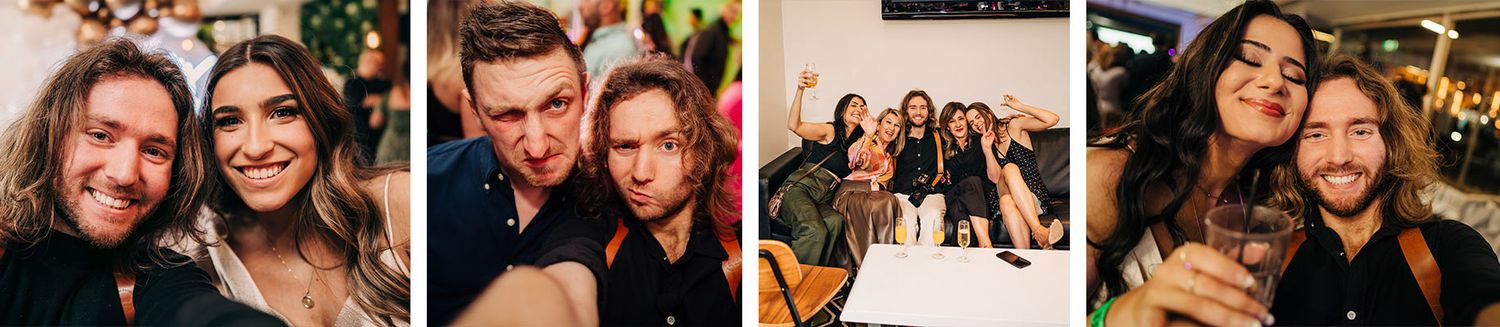
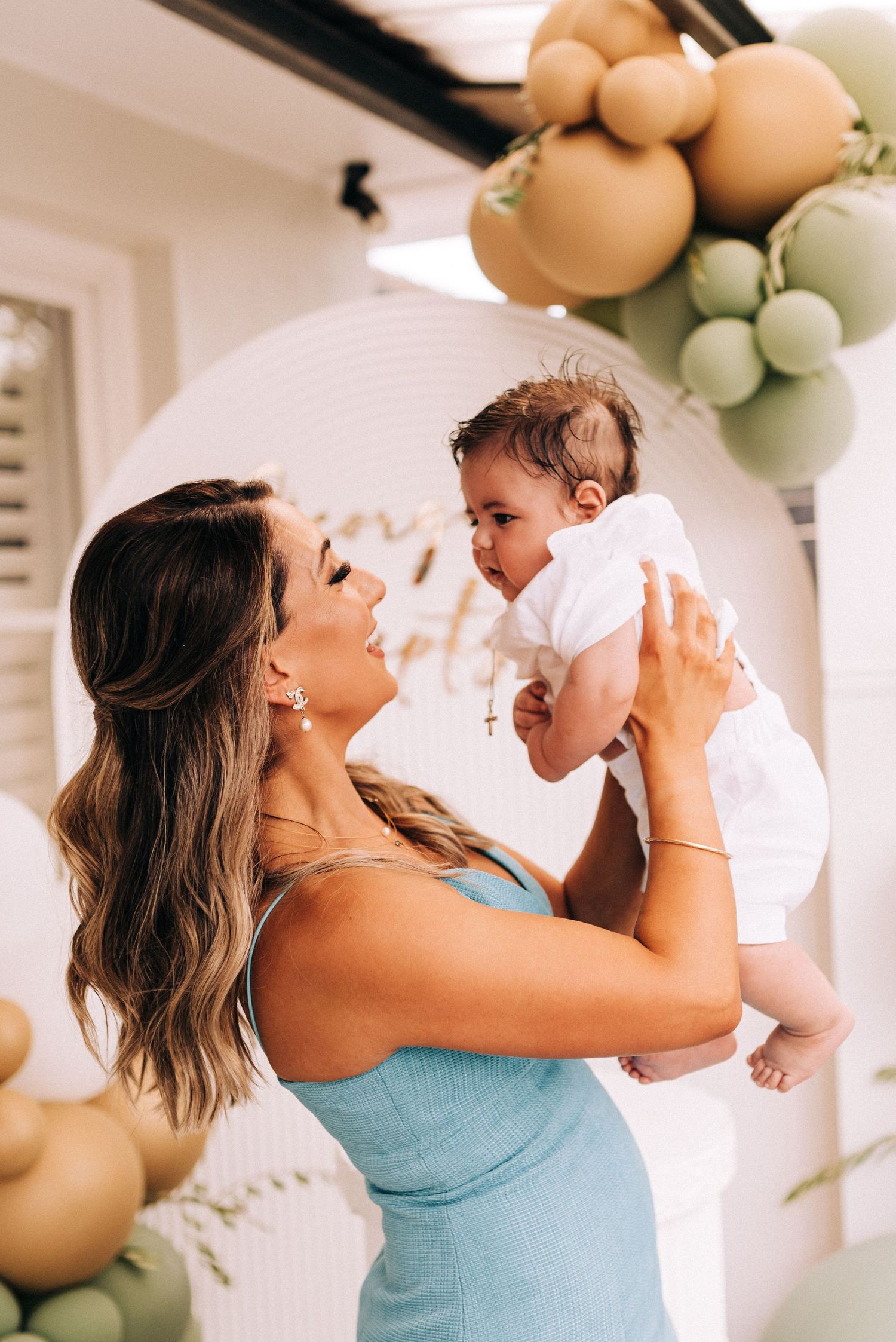
Corporate brand coverage / Guest interaction
Whether you're organising a corporate launch at a CBD hotel, a hens' weekend in the Yarra Valley or a milestone birthday in a private function room, the difference between forgettable event photos and a gallery that actually tells the story is almost always preparation. These are the tips we give every Melbourne client before we walk through the venue doors.
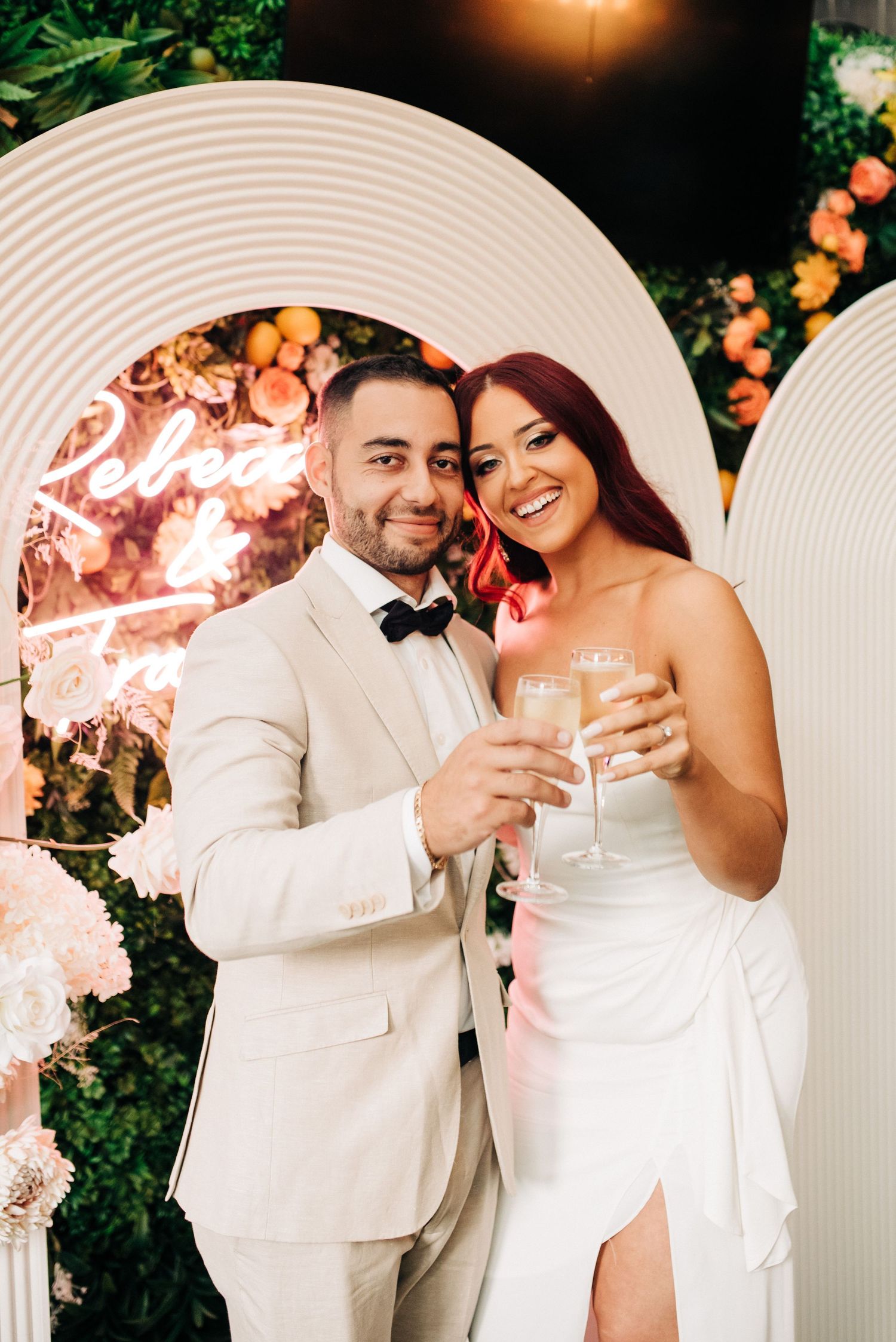
1. Hire a specialist event photographer
Event photography is a distinct discipline. A wedding photographer is brilliant at directing and posing; an event photographer is brilliant at not directing — at reading a room, anticipating the next moment, and melting into the background so guests forget the camera is there. The two skill sets overlap but they are not the same.
Look for a portfolio that shows real events with real crowds, not just styled shoots with models. Ask how many events of your size and type they cover in a typical year. A photographer who shoots fifty corporate functions a year will run your launch with a calm that a weddings-only shooter simply won't have.
2. Share a shot list and a run sheet — early
The single most valuable document you can hand a photographer is the event run sheet: the minute-by-minute order of speeches, presentations, performances, cake cuttings and key arrivals. Pair it with a prioritised shot list of the must-have frames — the CEO addressing the room, the award presentation, the family group at the 50th — and your photographer can plan positioning and lens choices before a single guest arrives.
Send these at least a week out, not on the morning. The best coverage happens when the photographer has already mentally walked through the day.
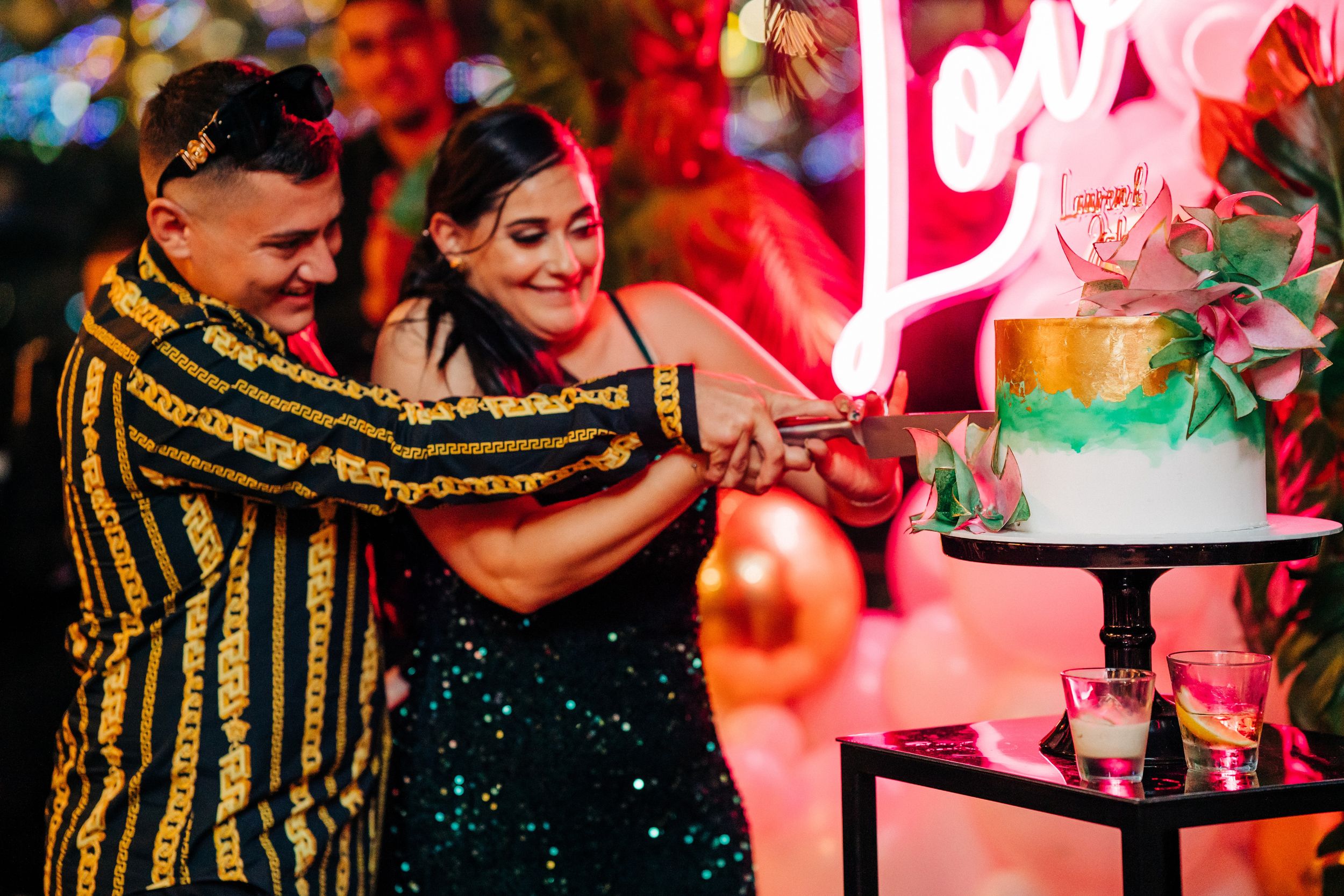
3. Brief the key people ahead of time
If the managing director hates having a lens in their face, or the guest of honour freezes when photographed, tell your photographer in advance. A professional will adapt — a longer lens from across the room, a quieter approach, a moment of chat to put them at ease. What they can't adapt to is finding out mid-speech.
It also helps to let your MC, venue manager and AV team know a photographer is present. They'll often point out moments you'd otherwise miss — the surprise award, the backstage prep — and make space for the camera.
2. Do a lighting walk-through (or at least flag it)
Light is the single biggest variable at any event, and Melbourne venues run the full gamut — floor-to-ceiling windows at a waterfront function centre, candlelit heritage ballrooms, projection-lit conference stages, neon-lit nightclub venues. Each demands a different approach, and a photographer who knows the room in advance will arrive with the right gear.
If a venue visit isn't possible, send a few phone photos of the space taken at the time of day the event will run, and flag anything unusual: coloured uplighting, a dark dance floor, a stage lit only from behind. The five minutes you spend on this saves the photographer an hour of guesswork on the night.
5. Decide your candid-to-posed balance
Some events are almost entirely candid — a festival, a launch party, a networking night. Others have formal anchors: the awards presentation, the family group portrait at a 50th, the full-team photo at a Christmas function. Be explicit about the ratio you want.
As a rule of thumb, corporate and brand events skew 90% candid; milestone celebrations and private events usually want a handful of curated group portraits woven through a mostly candid gallery. Telling your photographer which side of that line you sit on sets expectations for everyone.
6. Nail the logistics before the first guest arrives
The small things that derail coverage are almost always logistical. Confirm these in writing the day before:
- Access time — can the photographer arrive during setup, or only once doors open? Empty-room detail shots are gold and need 20–30 minutes pre-guests.
- Parking and loading — Melbourne CBD venues in particular can be brutal on arrival; a loading zone or validated parking saves a frantic start.
- Where the photographer eats — if it's a long event, build in a 20-minute break during a low-content window (main course, a quiet keynote) and point them to catering.
- WiFi and power — relevant for events needing real-time social uploads or a second shooter tethering.
7. Get clear on delivery and usage rights
Event clients often underestimate how much they'll want to use the photos afterwards — PR placements, LinkedIn posts, annual reports, sponsor recaps, the birthday slideshow for next year. Before you book, confirm:
- The number of edited images and the delivery window (5–10 business days is standard for events in Melbourne).
- Whether you receive full commercial usage rights, or a licence limited to specific channels.
- Whether a sneak peek set (10–20 images within 48 hours) is included — invaluable for next-day social and PR.
- How the online gallery is shared with guests, if at all.
For corporate work especially, clarifying usage rights up front avoids awkward conversations when the marketing team wants to put a photo on a billboard six months later.
The bottom line
A great event gallery is 30% photography and 70% preparation. Hire a specialist, hand over the run sheet, flag the lighting, brief your key people, and sort the logistics before the night begins. Do that and your photographer can spend the event doing what you actually hired them for — capturing the unrepeatable moments as they unfold, rather than firefighting the avoidable ones.
If you're planning a Melbourne event and want to talk coverage, we cover everything from corporate launches to milestone birthdays across the city and regional Victoria — tell us about your event and we'll map out the right approach.