
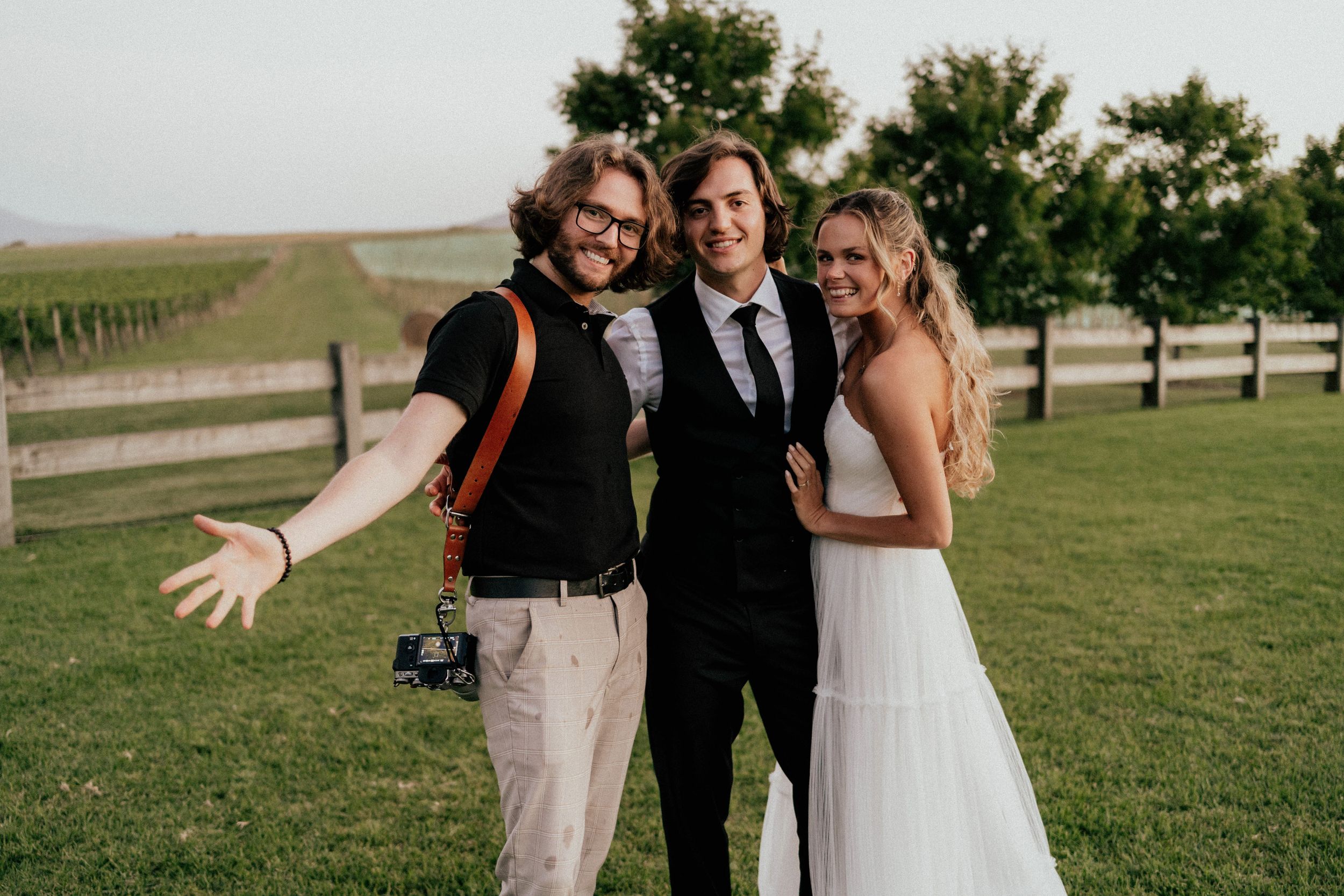
The dress is folded away, the flowers fade, and the last bite of cake is eaten within hours. Your wedding photographs are the one thing that genuinely lasts a lifetime — so the person behind the camera matters more than almost any other vendor you'll book.
Here's how Melbourne couples can choose with confidence.
Full wedding storytelling / Reception candids
Melbourne has one of the most competitive wedding photography markets in Australia, which is both a gift and a trap. The gift is that you have genuine talent to choose from. The trap is that polished Instagram feeds and a slick website can mask thin experience, inconsistent editing, or a personality clash that only reveals itself on the day. The steps below are the same ones we walk every couple through during a consultation — use them as a checklist and you will be ahead of most brides and grooms before you even send the first enquiry.
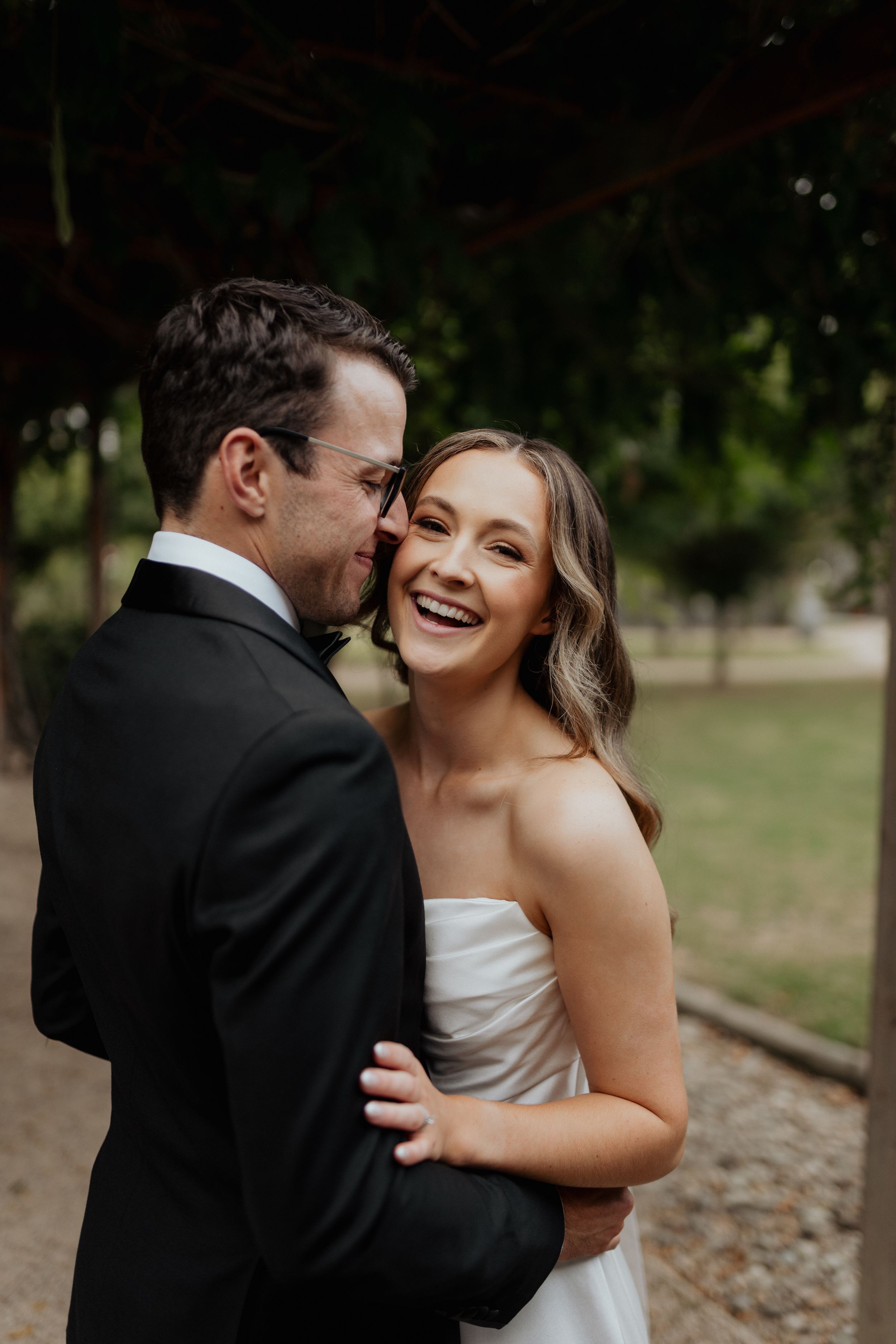
1. Define the style you actually want
Before you look at a single portfolio, get clear on the look that makes your heart skip. The three broad camps in wedding photography are documentary (candid, unposed, story-led), fine art (posed, polished, editorial and magazine-like), and dark and moody (rich shadows, film-inspired tones). Most photographers sit somewhere on a spectrum between them.
Save a folder of 20–30 images you love — not necessarily weddings — and look for the common thread. Are they bright and airy? Warm and filmic? Crisp and contemporary? That thread is your brief. Hiring a dark-and-moody specialist and then asking for bright-and-airy galleries is a recipe for disappointment on both sides.
2. Ask to see full galleries, not just highlights
Every photographer's website is a highlight reel — the 15 best frames from the best weddings of the year. That tells you what they're capable of at their peak, but not what you can realistically expect to receive. The single most revealing request you can make is: "Can I see a full wedding gallery from start to finish?"
A complete gallery tells you how a photographer handles the boring bits — the ceremony back of heads, the reception speeches in tricky light, the family formals where everyone is tired. If the full gallery is consistently strong across all of those, you're looking at a professional. If it leans heavily on the couple's portrait session and thins out everywhere else, keep looking.
3. Meet them before you book
Your photographer is the one vendor who will be with you from the morning of getting-ready through to the last dance. They will be in the room while you're nervous, emotional and undressed. If you don't genuinely enjoy their company, that eight-to-ten hours is going to feel a lot longer than it should.
Book a video call or a coffee. Ask how they direct people who hate being photographed (most of us). Notice whether they listen more than they talk. A great photographer is part confidant, part choreographer, and only partly a person with a camera.
4. Understand exactly what's included
Two photographers quoting similar numbers can be offering wildly different things. When you compare packages, pin down:
- Hours of coverage — does it run from getting-ready through first dance, or just ceremony to reception entrance?
- Number of edited images — and whether "unlimited" genuinely means unlimited or means "as many as we deem worth editing".
- Delivery timeline — four to six weeks is standard in Melbourne; sneak peeks within 72 hours are common but worth confirming.
- A second photographer — included, or an add-on? For guest counts over 120 we'd always recommend one.
- Printing rights and an online gallery — you should be able to print your own photos and share them freely.
Get the answers in writing. A photographer who can't clearly explain their package probably hasn't been doing it long.
5. Check they've shot your kind of venue
A photographer who is brilliant in a sun-drenched vineyard may flounder in a candlelit ballroom, and vice versa. When you shortlist, ask whether they've worked at your venue before, and ask to see images from that venue specifically. If they haven't shot there, ask how they'd approach the lighting — a confident, specific answer is a very good sign.
Our Melbourne venues guide walks through how different venue types (gardens, heritage halls, warehouses, wineries) each demand a different photographic approach, and it's worth reading before you commit.
6. Read the reviews — and the patterns within them
A five-star average is the floor, not the ceiling, of what you should expect. Dig into the written reviews and look for recurring themes. Do multiple couples mention that the photographer calmed nervous fathers? That they were unobtrusive during the ceremony? That delivery was faster than promised? Those repeated notes tell you what the photographer is genuinely known for — and whether it matches what you need.
7. Confirm the boring-but-critical details
Before you transfer a deposit, confirm the unglamorous things that protect you:
- A written contract with clear cancellation and rescheduling terms.
- Backup equipment on the day — two camera bodies at minimum.
- A contingency plan if your photographer is genuinely unable to attend (illness, emergency). Reputable studios have a trusted network to call on.
- Off-site backup of your images after the wedding.
8. Trust your instinct
After the galleries are reviewed and the packages compared, the final call is usually a gut one. Did you leave the consultation feeling excited, or anxious? Could you picture this person in your getting-ready room? Melbourne is full of talented photographers, and the right one for you is the one whose work you love and whose company you'd happily spend a long day with. Trust that feeling — it's rarely wrong.
Choosing a wedding photographer is the most permanent decision you'll make for your wedding, and it deserves more than a quick scroll through a feed. Define your style, demand full galleries, meet the person, read the fine print, and listen to your instinct. Do those five things and the photographs — long after the day itself — will do exactly what they're meant to: bring the whole thing rushing back.